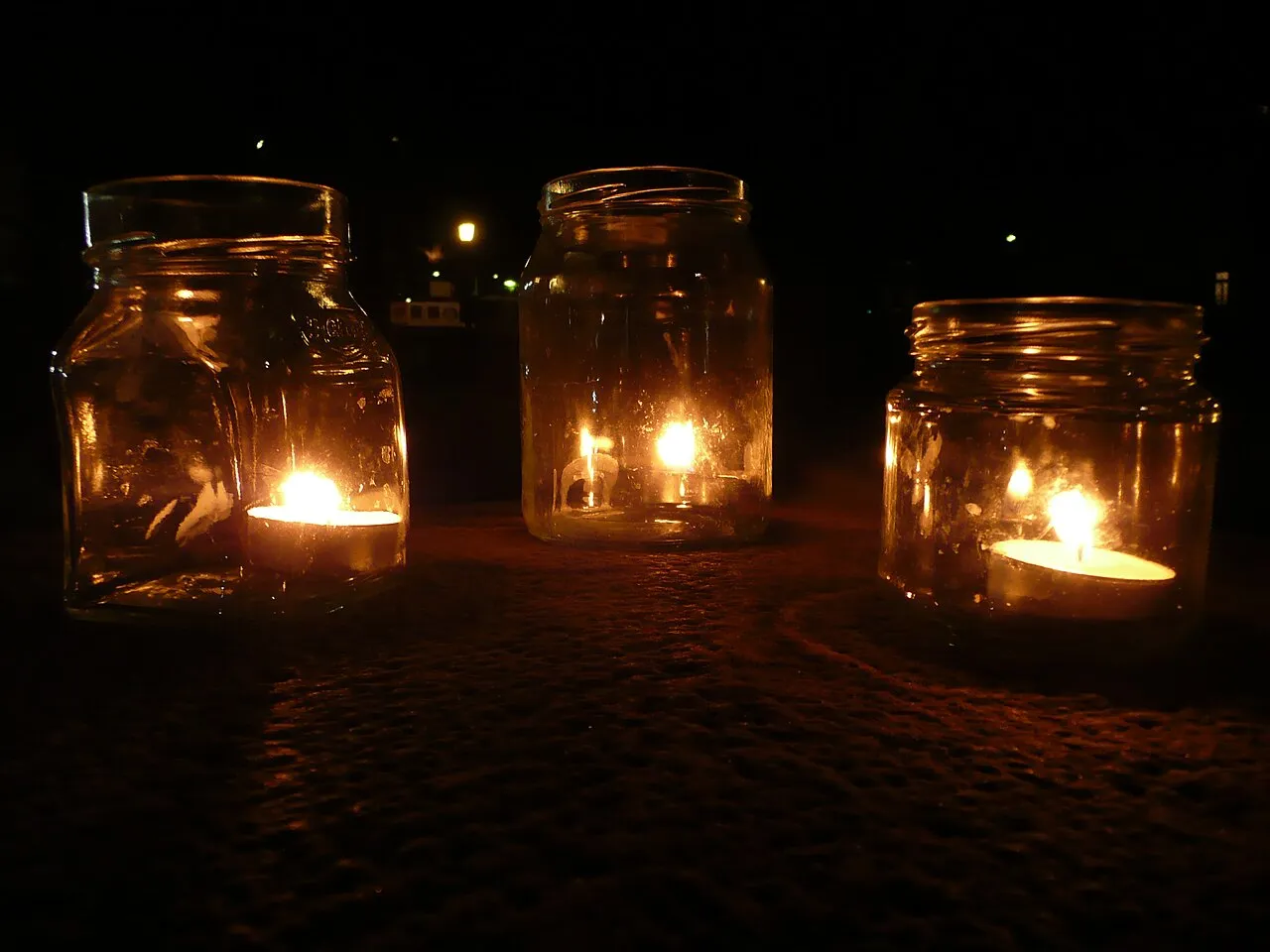
Container candles, the kind poured into a jar or tin, are the easiest candles to make at home. You don't need molds or special equipment beyond a pitcher and a pot of water. Soy wax is a popular choice for beginners because it's sold in easy-to-measure flakes and is designed for containers. Here's what to buy and how to avoid the most common problems.
The shopping list
- Container soy wax. Choose a wax made for containers, not for pillars. Golden 464 is a widely used container soy wax; a 5 lb bag is plenty for a first few batches. Your supplier's information sheet tells you the recommended pour temperature and how much fragrance the wax can hold, so keep it handy.
- A pouring pitcher. A metal pitcher that sits in a pot of simmering water makes a double boiler. The CandleScience pouring pitcher has a handle and a spout for clean pouring. Use it only for wax, never for food again.
- Wicks sized for your container. More on this below. Pre-tabbed, pre-waxed cotton wicks like Firefly's 6-inch wicks are easy for a first batch.
- A thermometer. A candy or digital thermometer, used only for candles.
- Heat-safe containers. Thick glass jars or candle tins, such as 8 oz tins with lids. Avoid thin glass, cracked jars and anything that isn't meant to take heat.
- Fragrance oil made for candles (optional) and candle dye (optional). Essential oils and food coloring aren't substitutes.
- Wick stickers and a centering tool. Clothespins or chopsticks laid across the jar work too.
Why the wick matters most
Most candle problems come from the wick. A wick that's too small burns a narrow hole down the middle (called tunneling) and wastes wax. A wick that's too big makes a tall, smoky flame and can overheat the container. The right size depends on the jar's diameter, the wax and the amount of fragrance.
Wick suppliers publish sizing charts by container diameter. Use the chart for a starting point, then test burn one candle before making a batch. Light it, let it burn for a few hours, and check whether the melted wax pool reaches close to the edge of the jar without the flame growing too large. Trim the wick before each test. If the result is off, change one thing at a time.
The basic process
- Clean and dry the containers. Stick a wick to the center of each one.
- Melt the wax in the pitcher over simmering water. Don't melt wax directly on a burner.
- Follow your wax's information sheet for when to add fragrance and when to pour. Stir gently for a couple of minutes after adding fragrance.
- Pour slowly, keep the wick centered with a holder, and let the candles cool at room temperature away from drafts.
- Trim the wick to about a quarter inch once the wax has set.
- Many suppliers recommend letting soy candles cure before burning or judging the scent. Check your wax supplier's advice.
Safety basics
- Never leave melting wax unattended, and keep pets and kids away from the stove.
- Keep a lid or baking soda nearby. Never use water on a wax fire.
- Use a thermometer and don't let wax overheat.
- Read the safety information for any fragrance oil you use.
- Add a warning label to candles you give as gifts, and remind people never to leave a burning candle alone.
Common problems
Frosting, a white crystal look on the surface or sides, is normal for soy wax and doesn't affect the burn. Sinkholes near the wick can be filled with a little reheated wax. Wet spots, where wax pulls away from the glass, are usually cosmetic; warming the jars slightly before pouring often helps.
Or try melt-and-pour soap
If you want a quicker gift craft with no wick testing, melt-and-pour soap is the easy cousin. The base is already made: you melt it, add soap-safe color and fragrance and pour it into molds. A 2 lb goat's milk base makes a small batch of bars. Our Candle & Soap Making department covers both, and our handmade Christmas gifts post explains why candles shouldn't be left until the last weekend.
Reading from the UK?
UK candle makers have their own rules on safety labeling, and suppliers sell in kilograms. See Craft Shop Direct UK's candle making guide and the CraftingUK community for UK-focused advice.
Products mentioned in this post
Specific products, checked daily on Amazon.com. Out-of-stock items are hidden automatically.
Golden Foods
Natural Soy 464 Wax, 5 lb
Golden 464 container soy wax in a 5 lb bag, a sensible amount for a first few batches of jar or tin candles.
$22.50 on Amazon.com when we checked on November 28, 2026. Prices change; check the listing.
View on AmazonCandleScience
Candle Making Pouring Pitcher
An aluminum pitcher that sits in a double boiler, with a handle and a spout for pouring melted wax.
$19.00 on Amazon.com when we checked on November 28, 2026. Prices change; check the listing.
View on AmazonFirefly
Pre-Waxed Cotton Candle Wicks, 6 in, 100 Pack
Pre-waxed, pre-tabbed cotton wicks. Check the wick size against your jar's diameter before you pour.
$17.99 on Amazon.com when we checked on November 28, 2026. Prices change; check the listing.
View on AmazonYJHSS
8 oz Candle Tins with Lids, 24 Pack, Black
Metal tins with lids for container candles and gifts; choose your wick size for the tin's diameter.
$20.38 on Amazon.com when we checked on November 28, 2026. Prices change; check the listing.
View on AmazonOur Earth's Secrets
Goat's Milk Melt and Pour Soap Base, 2 lb
Ready-made soap base you melt, scent and pour. No lye handling, so it's a good first soap project.
$19.99 on Amazon.com when we checked on November 28, 2026. Prices change; check the listing.
View on AmazonWalfos
Silicone Soap Molds, Set of 3, 6 Rectangle Cavities
Flexible six-bar silicone molds that release melt-and-pour soap in neat rectangular bars.
$8.88 on Amazon.com when we checked on November 28, 2026. Prices change; check the listing.
View on AmazonAs an Amazon Associate we earn from qualifying purchases. Product links go to Amazon.com.
Pro tip: Write down everything for each test candle: wax, jar diameter, wick size, fragrance amount and pour temperature. When one burns perfectly, you will know exactly how to repeat it.